
By Texas Tows Inc.
The main types of tow trucks are flatbed, wheel-lift, integrated and heavy-duty recovery trucks. When you call a 24/7 towing service, the right one depends on your vehicle's drivetrain, ground clearance, condition and weight. Tell the dispatcher what you drive and where it is before equipment is assigned.
Quick Summary
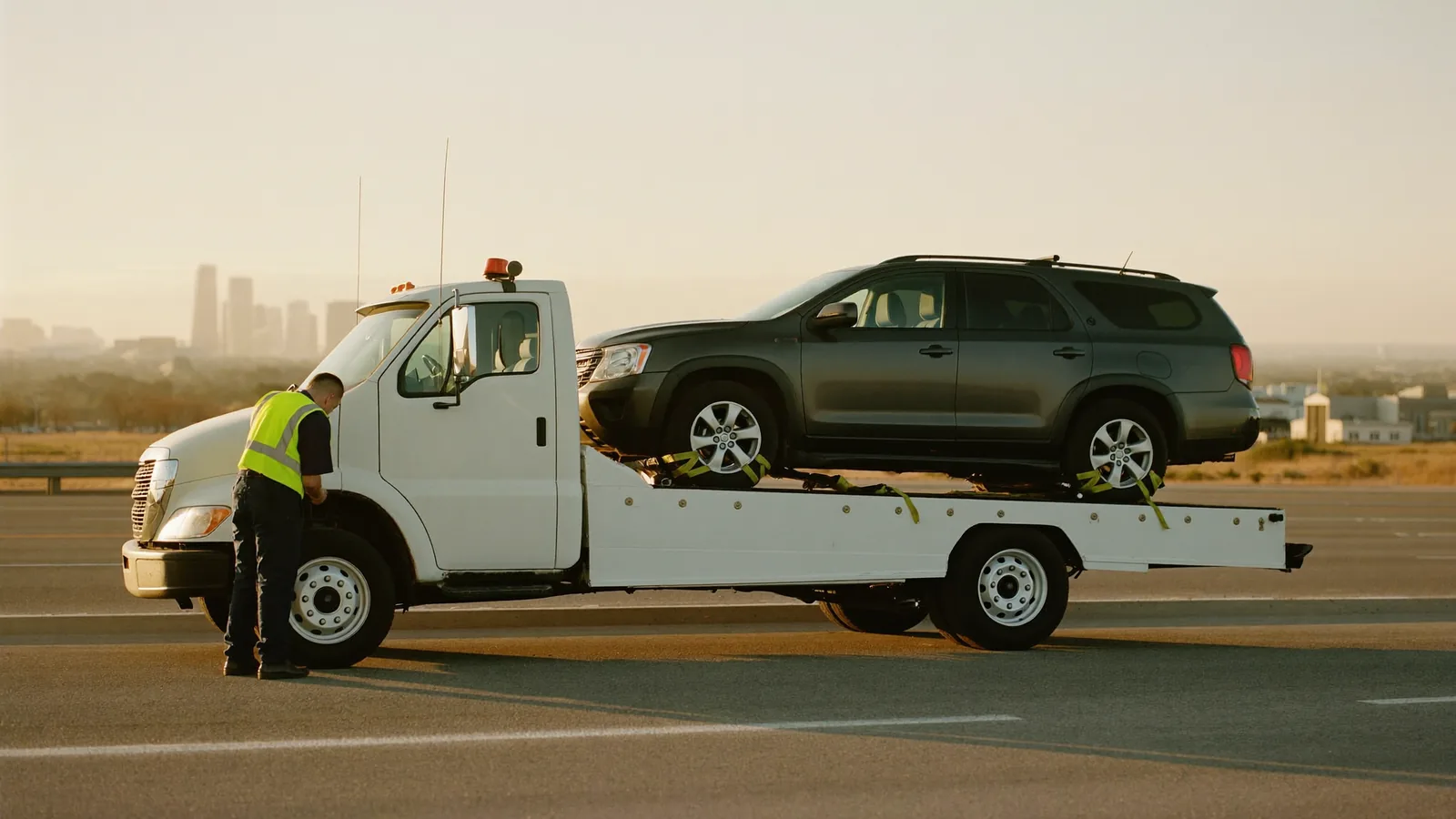
The main types of tow trucks are flatbed (rollback), wheel-lift, integrated wreckers and heavy-duty boom or recovery trucks.
A flatbed carries your car with all four wheels off the ground. A wheel-lift lifts one axle; auxiliary dollies may keep the other wheels off the road.
Ask about a flatbed for AWD or 4WD vehicles, low cars and damaged cars; follow the vehicle manufacturer's towing instructions.
Vehicle weight classes help describe the job, but equipment selection also depends on actual weight, damage and access.
What are the main types of tow trucks?
Four useful categories are flatbed carriers, wheel-lift trucks, integrated wreckers and heavy-duty recovery trucks. These categories overlap: integrated wreckers come in several weight classes, and a carrier can also have a wheel-lift.
| Type | How it works | Best for | Watch out for |
|---|---|---|---|
| Flatbed (also called a rollback or tilt tray) | The deck tilts and slides back to form a loading ramp, and the car is driven or winched on, then carried with all four wheels off the road. | AWD and 4WD vehicles, low or lowered cars, crash-damaged cars, cars that can't roll | Needs space to tilt and load |
| Wheel-lift | A metal yoke cradles two wheels and lifts that end of the car. The other two wheels roll unless supported by dollies. | Compatible two-wheel-drive cars and sites with limited space | Manufacturer instructions, clearance and dollies determine suitability |
| Integrated wrecker | Combines a recovery boom and underlift; some light-duty versions have a self-loading wheel-lift. | Recovery and towing, depending on the model | Integrated does not automatically mean light duty |
| Heavy-duty boom or recovery | A boom and winch support recovery; an underlift supports a vehicle for towing. | Large vehicles or complex recoveries | Capacity and access must match the job |
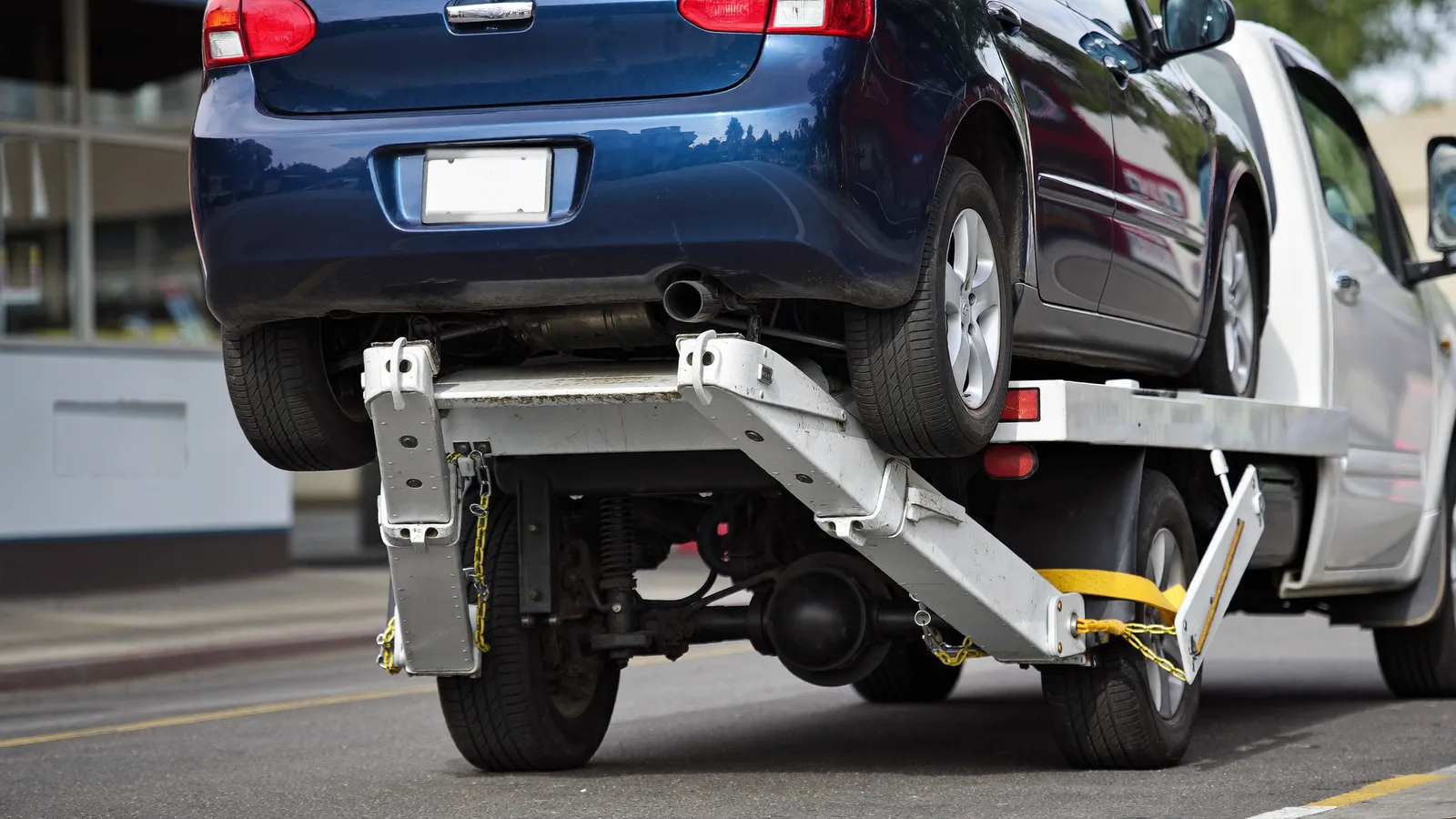
Equipment manufacturer Jerr-Dan lists carriers and both light-duty and heavy-duty integrated wreckers. These general equipment distinctions do not establish which trucks Texas Tows owns.
What's the difference between a tow truck and a wrecker?
For most drivers there's no difference. "Wrecker" is another name for a tow truck, and Texas law treats them together. Section 2308.002(11) of the Texas Occupations Code includes wreckers in its tow-truck definition, covering vehicles equipped to tow, winch or move other motor vehicles, subject to the section's exclusions.
When you call for help, you don't need to use either word. Describing your car and where it is matters more than the name of the truck.
Which tow truck is right for your car?
The best truck depends on how your car is driven, how low it sits, what shape it's in and where it is. If you're unsure, ask the operator to confirm a method that follows your vehicle manufacturer's instructions.
All-wheel-drive and four-wheel-drive vehicles
Ask about flatbed towing, which Texas Tows recommends for AWD and 4WD vehicles. A wheel-lift alone may leave wheels turning on the road. Some manufacturer-approved setups use a wheel-lift with dollies to keep all wheels off the ground; Ford's transport guidance gives examples. Have the operator check the instructions for your exact year, model and drivetrain.
Low, lowered and luxury cars
Choose a flatbed here too. Texas Tows' flatbed page lists luxury and low-clearance vehicles among those that are ideal for flatbed towing. Tell the dispatcher about lowered suspension or unusually low bumpers before equipment is assigned.
Crash-damaged cars
Ask about flatbed transport and accident recovery when a car has damage or cannot roll freely. Tell the operator if wheels are locked or suspension is damaged. A flatbed carries the car on its deck, but loading a damaged vehicle may require additional equipment.
Cars stuck in a ditch, mud or a garage
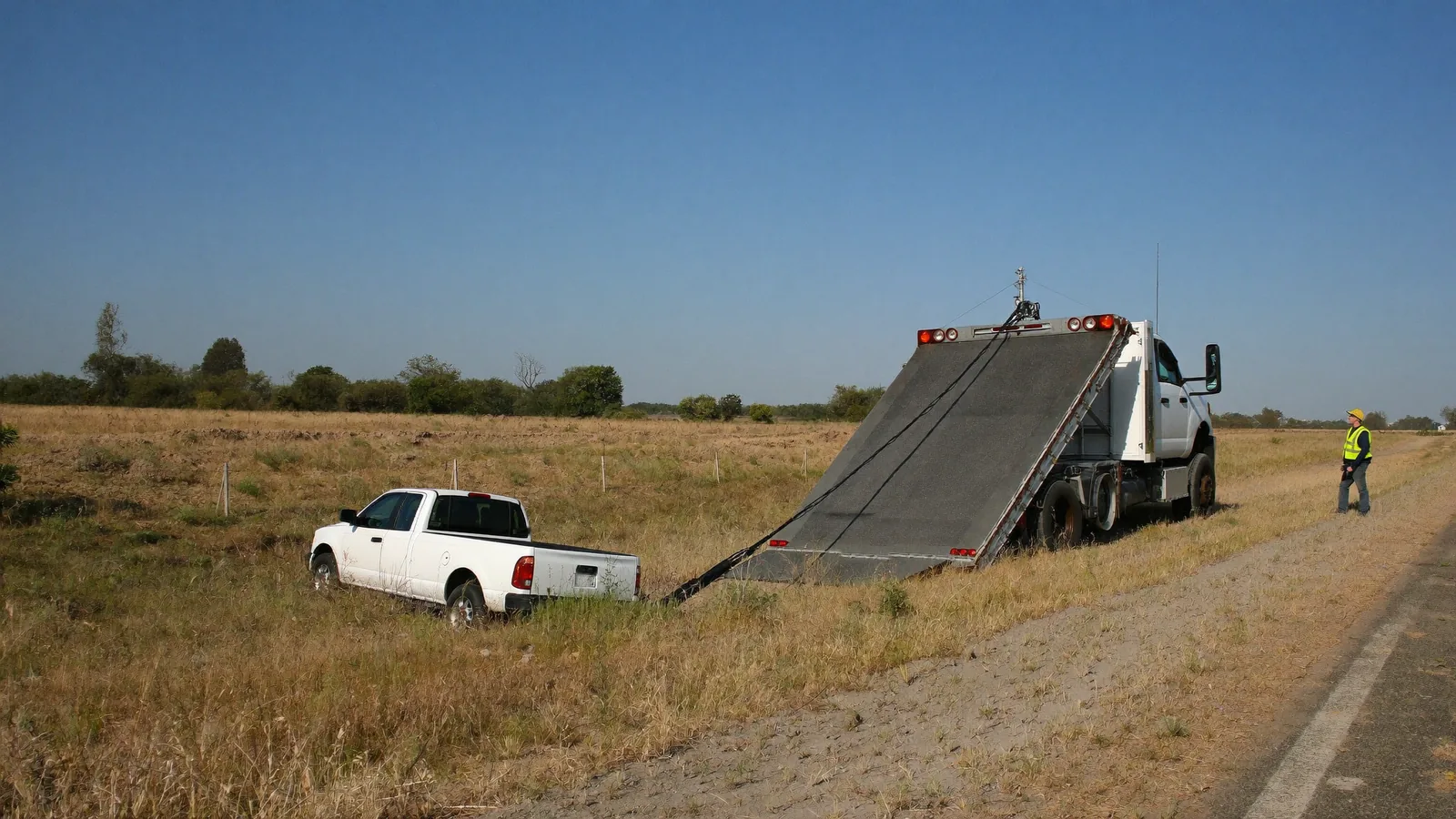
You may need recovery equipment before transport. Texas Tows lists winch-out and garage extraction services. Describe the surface, slope, garage height and access so the operator can plan the recovery.
A short tow in an ordinary car
A wheel-lift may suit an undamaged two-wheel-drive car when the manufacturer permits it. A short distance alone does not establish suitability; drivetrain, clearance and any required dollies still matter.
Unsure what to request? Call Texas Tows at (817) 512-1024 and describe the vehicle before booking.
When do you need a heavy-duty tow truck?
Larger vehicles and difficult recoveries may need higher-capacity equipment. Gross vehicle weight rating (GVWR) is the manufacturer's maximum rated total vehicle weight, including fluids, passengers and cargo; it is not the vehicle's actual weight today.
The U.S. Department of Energy's Alternative Fuels Data Center, citing the Federal Highway Administration's vehicle classes, groups vehicles like this:
Class 1 and 2 (light duty): up to 10,000 pounds GVWR
Classes 3 to 6 (medium duty): 10,001 to 26,000 pounds GVWR
Classes 7 and 8 (heavy duty): over 26,000 pounds GVWR
Most cars, SUVs and light pickups fall in the light-duty range. Box trucks, buses and loaded work trucks can land in the medium or heavy classes, and a vehicle that has rolled over or left the road may need recovery equipment, not just a tow. Share the GVWR if known, along with the approximate current loaded weight.
These are vehicle classifications, not tow-truck capacity rules. They do not establish a universal cutoff for choosing a tow truck. The operator must match equipment ratings and the recovery plan to the actual job; call to confirm availability for a commercial vehicle.
What should you tell the dispatcher so the right truck shows up?
Give the dispatcher your vehicle details and exact location, and they can choose the right equipment before the truck leaves. Accurate details help the operator plan the job.
Year, make and model
Drivetrain: front-wheel drive, rear-wheel drive, all-wheel drive or four-wheel drive
Ground clearance, if the car is low or lowered
Whether the car starts, steers and rolls, and any visible damage
Exactly where it is: a ditch, a garage level, a parking lot or the roadside
Where it needs to go
For commercial vehicles, the approximate loaded weight
Which tow truck does Texas Tows send in Dallas?
Texas Tows sends the equipment that fits your vehicle and situation. Its flatbed service page lists luxury, AWD and low-clearance vehicles, as well as pickup and delivery inspections. Listed Dallas neighborhoods include Preston Hollow, Lake Highlands and Bluffview.
For a stuck vehicle, the winch-out, accident recovery and garage extraction services cover the other situations in this guide. Whatever you drive, call and describe it, and the dispatcher will confirm the right truck.
Frequently Asked Questions
Is a flatbed a good choice for my car?
A flatbed carries the vehicle with all four wheels off the ground, making it an option to discuss for AWD, low-clearance or damaged cars. Safe transport still depends on correct loading, securement and following the manufacturer's instructions.
What is a rollback tow truck?
A rollback is another name for a flatbed. The bed tilts and slides back to ground level, and the car is driven or winched on. The truck then carries it, so the car doesn't need to roll on its own wheels.
Can a wheel-lift tow truck tow an all-wheel-drive car?
A wheel-lift alone may leave wheels turning on the road, which can damage an AWD drivetrain. A wheel-lift with dollies is a different setup and may be permitted by the manufacturer. Ask about a flatbed and follow the instructions for your vehicle.
Is a wrecker the same as a tow truck?
In everyday use, the terms often overlap. Texas Occupations Code Section 2308.002 includes wreckers in its tow-truck definition.
How do I know if my vehicle needs a heavy-duty tow truck?
Give the dispatcher the vehicle model, GVWR if known, current loaded weight, damage and location. Federal vehicle categories provide context; the operator must select equipment with appropriate capacity for the job.
Need the Right Truck for Your Vehicle?
Call Texas Tows at (817) 512-1024 any time, day or night, or use the Request Service form. Tell us what you drive and where it is, and we'll talk you through the right equipment.
Sources
Texas Occupations Code, Chapter 2308, Section 2308.002 (definition of "tow truck"): statutes.capitol.texas.gov
U.S. Department of Energy, Alternative Fuels Data Center, Vehicle Weight Classes and Categories
Jerr-Dan, carrier and wrecker categories, light-duty integrated wreckers and heavy-duty integrated wreckers
Ford, Transporting the Vehicle (example manufacturer guidance; use your own vehicle's manual)
