
By Texas Tows Inc.
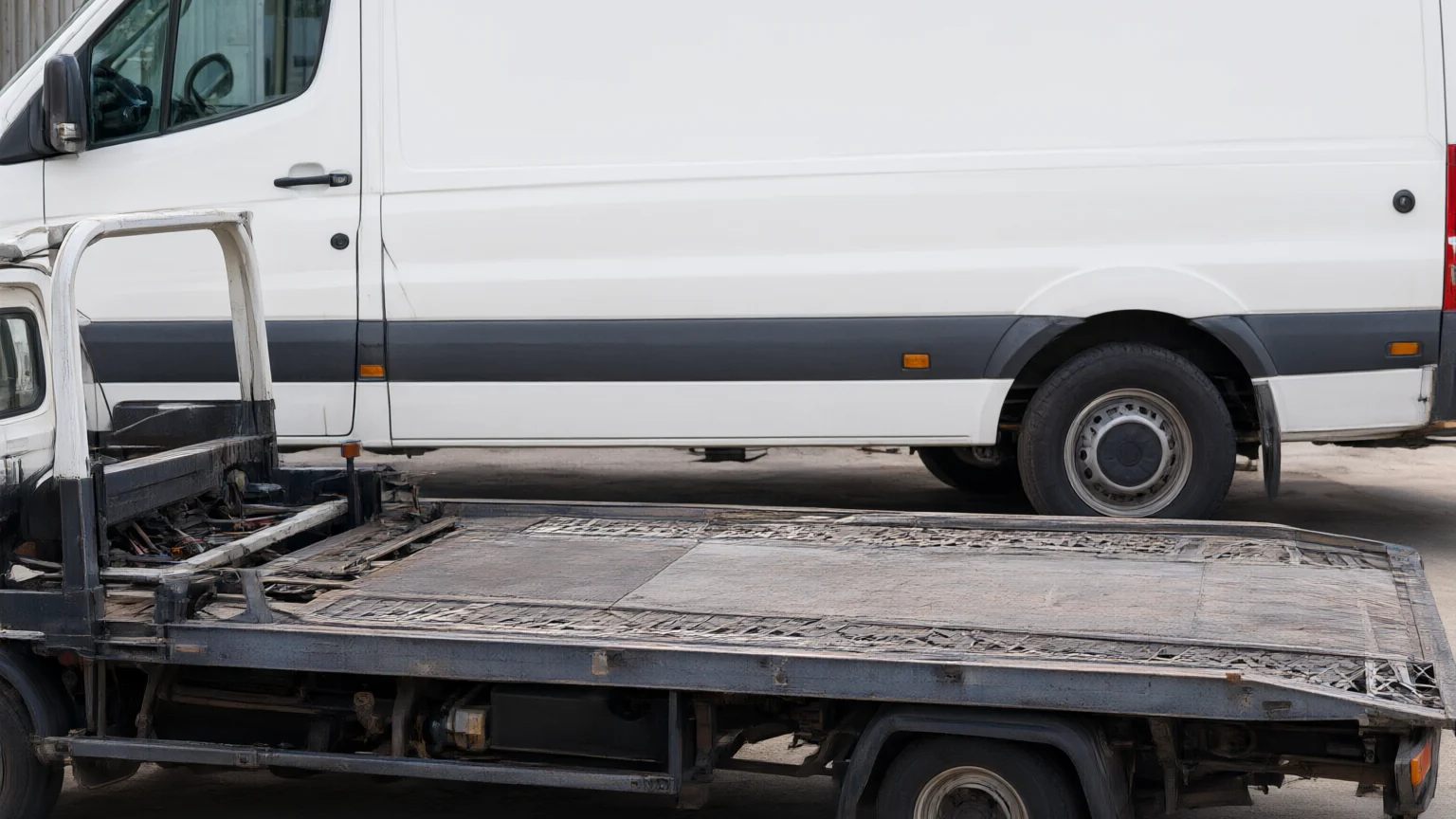
Ambulance towing in Dallas differs from towing a car because an ambulance is bigger, heavier and carries specialized equipment. This guide explains what to tell dispatch so the right flatbed towing or heavy-duty rig can be matched to the vehicle.
Quick Summary
- An ambulance or other emergency vehicle is not a standard tow. Its size, weight, drivetrain and on-board equipment decide what kind of truck can move it.
- Dispatch needs the exact vehicle, its weight and height, whether it rolls and steers, and where it is. Guessing leads to the wrong truck.
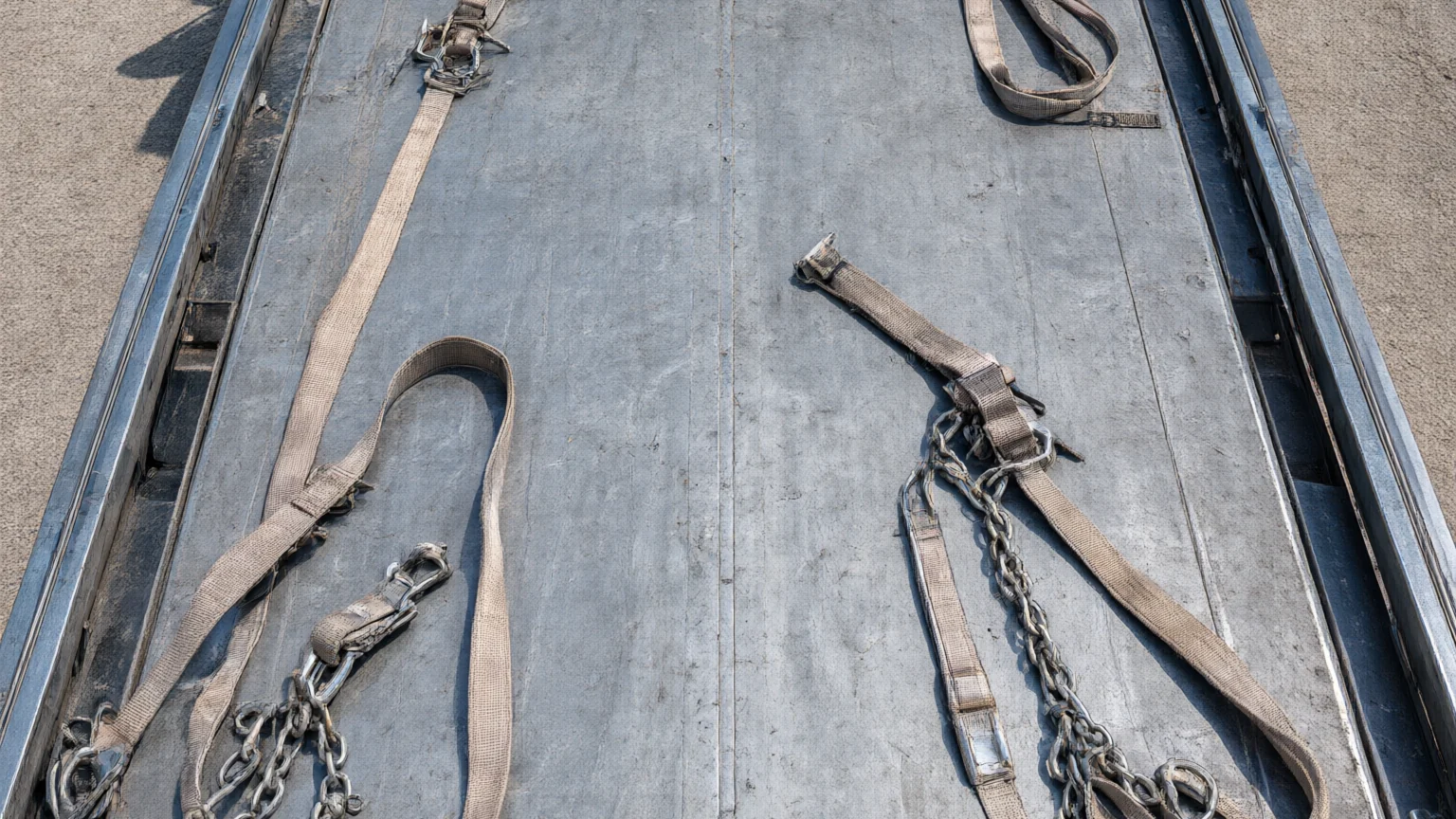
- Follow the manufacturer's towing instructions. A flatbed keeps all wheels off the road, but a heavy unit may still need heavy-duty equipment.
- A tow truck does not carry patients. If someone needs medical help, call 911 first.
On this page
- Why is an ambulance not a standard tow?
- Three situations, three different calls
- What should you tell the dispatcher?
- Does the move need a permit?
- How to choose a towing company
- What Texas Tows says it can do
- Frequently asked questions
Why is an ambulance not a standard tow?
Because the vehicle is built on a heavy chassis and carries a patient compartment, equipment and a different body than a passenger car. Those differences change how it can be lifted, loaded and secured.
A towing company picks a method from the vehicle in front of it. A light car can ride on a wheel-lift, with one axle raised and the other wheels rolling. A large, heavy or modified vehicle often cannot, and the owner's manual or the manufacturer may say how it may and may not be towed. Our guide to heavy-duty and light-duty towing explains why weight class matters, and our post on flatbed versus wheel-lift towing covers the basic trade-off.
None of this is a reason to wait. It is a reason to describe the vehicle accurately when you call.
Three situations, three different calls
Who is calling and why changes what the dispatcher needs to hear.
The unit breaks down on the road
Get the vehicle off the traffic lanes if it can move safely, turn on the hazard lights and keep people away from the travel lanes. If a patient is on board or waiting, your own dispatch center arranges another unit. A tow truck is not a substitute for that, and no tow company should be asked to act as one.
Then call the tow company with the vehicle details below. Say plainly that the vehicle is an ambulance, and say whether it will start, steer and roll.
The vehicle is parked at a station, garage or lot
This is the easiest case to plan, because nothing is urgent. Tell dispatch which door or bay the vehicle is behind, whether there is overhead clearance, and whether the driver can start it and put it in neutral. If it is parked tightly, ask the company to look at the space before sending a truck.
A retired or converted ambulance needs to be moved
Some people buy retired ambulances for fleet reuse, parts or conversion. A converted unit may have different weight, height and equipment than the original. Do not assume a stock specification. Tell dispatch what it is now, not what it was.
What should you tell the dispatcher?
Give the dispatcher the facts below. Each one changes which truck is sent.
- Year, make and model, and the body type. Say "ambulance" and name the chassis if you know it.
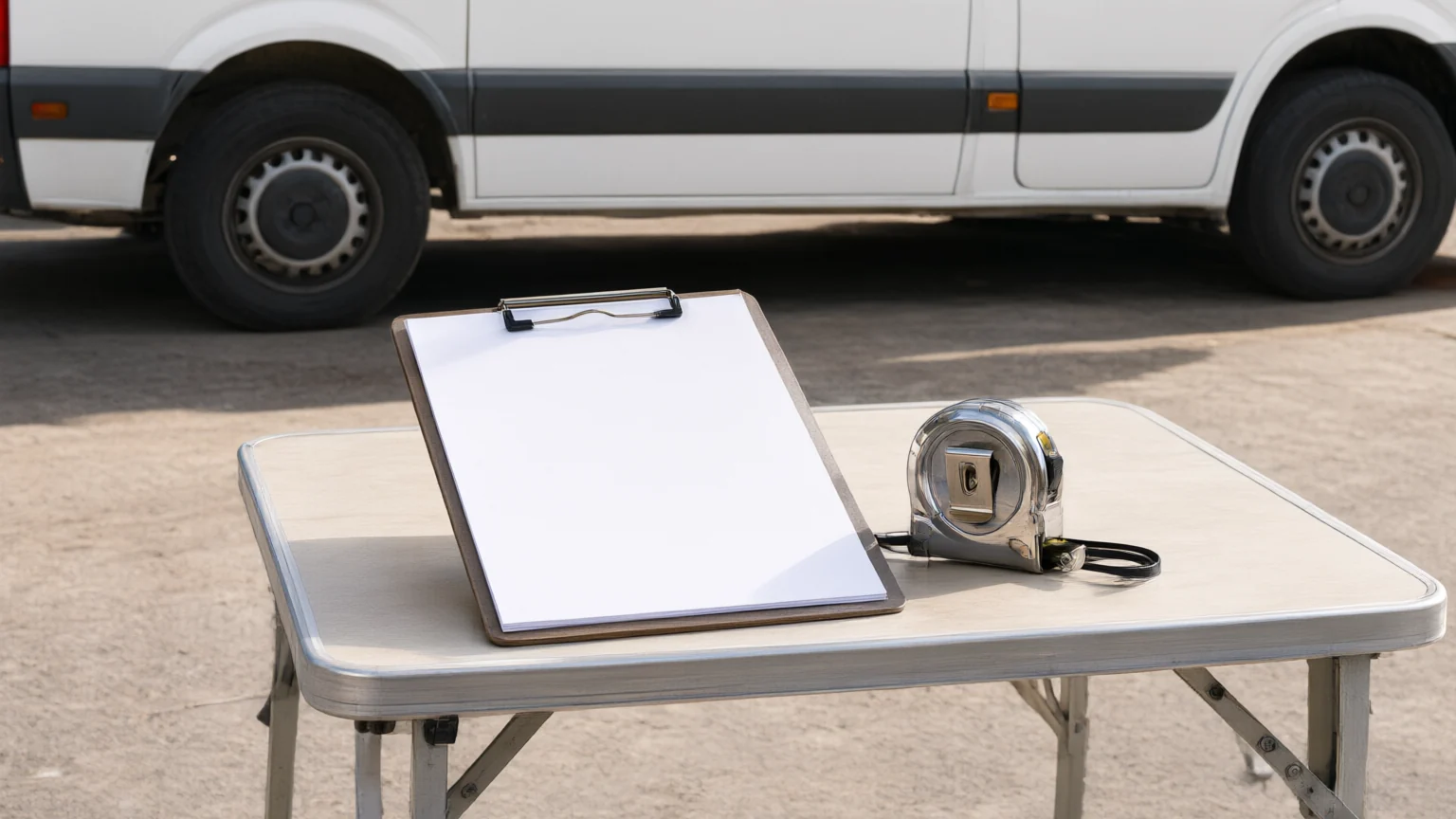
- Weight. Use a measured weight if you have one. A manufacturer's weight rating is not necessarily the vehicle's actual loaded weight, so say what is on board. If you added equipment, say so.
- Height and length. This matters for low doors, garages, underpasses and loading ramps.
- Drivetrain. Say whether it is rear-wheel, front-wheel or four-wheel drive, and whether it has an automatic or manual transmission.
- Whether it starts, steers and rolls. A vehicle that cannot be put in neutral or steered needs different equipment.
- Where it is. Give the street address, the lot or bay, and anything that blocks access.
- What is inside. Mention loose, heavy or regulated items such as equipment or compressed gas cylinders. Follow your organization's rules about what stays on board.
- Where it is going. A repair shop, a station or a lot, and who will meet the driver there.
If you do not know a number, say so. A dispatcher can ask a follow-up question, but cannot fix a wrong truck after it arrives.
Does the move need a permit?
It depends on the vehicle's actual size and weight. The Texas Department of Motor Vehicles says a vehicle or load that exceeds Texas legal size and weight limits must have an oversize/overweight permit and an authorized route, when applicable, before it travels on public roads. It also says you need the exact dimensions and weight to find out whether a permit is needed.
That is another reason to measure instead of guess. A large modified unit is more likely to raise the question than a standard one, but we do not assume either way. Ask the towing company how it checks.
How do you choose a company for ambulance towing in Dallas?
Look for a licensed company that is willing to ask questions before it sends a truck. Texas requires tow truck companies, tow trucks and tow truck operators to be licensed by the Texas Department of Licensing and Regulation (TDLR), and you can search a license on the TDLR license search.
A few more things worth asking:
- What equipment will be sent, and why that equipment for this vehicle?
- Will the driver check the vehicle before loading, and record its condition?
- Who is the contact for the destination, and who signs for the vehicle?
- Does the company follow the manufacturer's towing instructions you give it?
Be cautious of a company that quotes a method without asking your vehicle's weight or drivetrain.
What does Texas Tows say it can do?
Texas Tows describes its flatbed towing service as a method where the vehicle rides on the truck bed with all four wheels off the ground, and says it is used where wheel-lift towing could cause damage. Its Dallas towing service page covers cars, trucks and other passenger vehicles. Its post on commercial vehicle towing describes heavy-duty flatbed equipment for box trucks and cargo vans.
That is what the pages say. This post does not claim ambulance contracts, fleet agreements or emergency-response partnerships. To find out whether a specific emergency vehicle can be moved, call and describe it. The company's Dallas service area includes the Medical District, among many other neighborhoods.
Frequently asked questions
Can any tow truck tow an ambulance?
Not necessarily. The right truck depends on the vehicle's weight, size, drivetrain and condition, so the company should confirm those details before it sends equipment.
Is a flatbed better than a wheel-lift for an ambulance?
A flatbed keeps the wheels off the road, which is why Texas Tows' flatbed page describes it as the method for vehicles that should not ride on a wheel-lift. A heavy unit may still need heavy-duty equipment, and the manufacturer's instructions come first.
Should I take equipment out before the tow?
That is your organization's decision. Tell dispatch what is on board, especially anything loose, heavy or regulated, and follow your own rules for removing or securing it.
Can a tow truck take a patient to the hospital?
No. If someone needs medical care, call 911. A tow truck moves vehicles, not people.
Do I need a permit to move an emergency vehicle?
Oversize or overweight permits may be required; ask the towing company or TxDMV about the vehicle, load and route. TxDMV says a vehicle or load that exceeds Texas legal size or weight limits needs one, and that you need its exact dimensions and weight to find out.
Talk to Texas Tows About Your Vehicle
If you need to move an ambulance or another large vehicle in Dallas, call Texas Tows at (817) 512-1024 and ask whether it can move your specific vehicle, or use Request Service. Have the details above ready.
This post is general information, not legal, medical or mechanical advice. Follow the vehicle manufacturer's towing instructions and your own organization's rules.
Sources
- Oversize/Overweight Permits (Texas Department of Motor Vehicles).
- Tow Trucks, Operators and Vehicle Storage Facilities (Texas Department of Licensing and Regulation).
- TDLR license search.
- Flatbed Towing in Dallas, TX and Towing Service in Dallas, TX (Texas Tows).
