
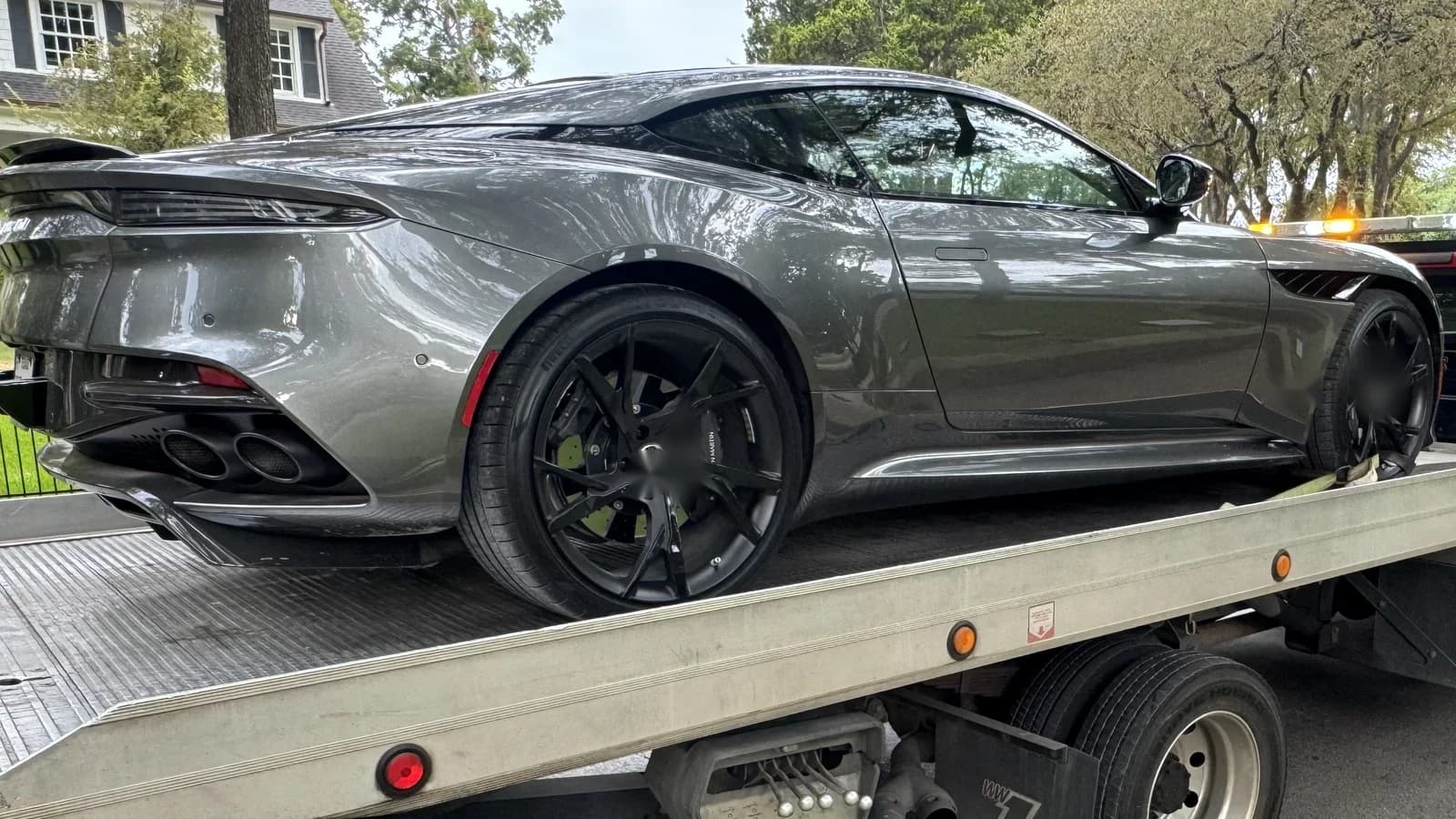
A performance vehicle can turn an ordinary roadside problem into a high-stakes transport decision. A flat tire, warning light, damaged wheel, or suspension issue may leave a low-clearance vehicle unable to move safely. In those moments, exotic car towing in Dallas is about more than getting from one place to another. It is about choosing a loading and transport approach that respects the vehicle's design.
Dallas drivers face crowded traffic corridors, steep parking-garage transitions, and long stretches of roadway where a small mechanical issue can become a larger problem quickly. Texas Tows has served the Dallas-Fort Worth area since 2015. Our TDLR-licensed team is available 24/7 to help when a vehicle needs roadside assistance or transport.
Why Exotic Car Towing in Dallas Needs a Different Approach
High-performance and low-clearance vehicles do not always respond well to a one-size-fits-all tow. Their design can introduce concerns that are less common with a standard passenger vehicle:
- Low front clearance: Front splitters, valances, and underbody panels can be vulnerable when a vehicle meets a steep ramp or driveway at the wrong angle.
- Specialized wheels and tires: Performance wheels and low-profile tires can be more susceptible to damage after a puncture, curb strike, or collision.
- Complex drivetrains: All-wheel-drive, hybrid, and performance systems can have manufacturer-specific transport requirements. When in doubt, follow the owner's manual and use a transport method suited to the vehicle.
- Suspension or body damage: A vehicle that cannot roll, steer, or sit at its normal ride height needs that information shared before loading begins.
A flatbed towing service keeps the vehicle fully supported off the roadway during transport. It also gives the operator a controlled platform for handling a car that should not be driven farther than necessary.
Dallas Roads Can Turn a Small Vehicle Issue Into a Bigger One
Road conditions and traffic matter when deciding whether to keep driving. A warning light that appears near Uptown, a tire problem on the Dallas North Tollway, or a suspension concern on I-635 can put a driver in a difficult position quickly. Continuing on a damaged tire or trying to nurse a vehicle through heavy traffic may create more damage than arranging a tow from a safe location.
If the vehicle is still operable, move out of an active traffic lane when it is safe to do so, turn on the hazard lights, and avoid stopping on a curve or where other drivers have limited visibility. If it cannot be moved safely, focus on your location and personal safety before deciding what happens next.
What to Tell Dispatch Before the Flatbed Arrives
The most useful call starts with clear information. Before you request assistance, gather the details that affect the pickup:
- Vehicle make, model, and year. This helps identify likely clearance and transport considerations.
- Whether the car can roll, steer, and shift. A vehicle with wheel, suspension, or transmission damage may need a different loading plan than a car with a simple no-start condition.
- Any modifications or clearance concerns. Tell dispatch if the vehicle is lowered or has bodywork that needs extra care.
- Your exact location. Share a cross street, highway exit, parking-garage level, or visible landmark. This matters around busy areas such as the Design District, Deep Ellum, and the Park Cities.
- Your destination. Have the name and address of the dealership, repair facility, residence, or secure storage location ready before the truck arrives.
Clear details help avoid a rushed decision after the tow truck is already on scene. They also allow the operator to assess the vehicle's position before beginning the loading process.
Loading a Low-Clearance Vehicle Takes Patience
The loading phase is where careful work matters most. Before a vehicle is moved, the operator should account for clearance, wheel condition, suspension position, and whether the car can be placed in neutral. The goal is a smooth path from the roadway or parking area onto the flatbed, without forcing the vehicle over a sharp transition.
This is also why it is important not to accept an improvised roadside solution simply because it arrives first. If your car has a low front end, damaged wheel, or unknown mechanical issue, ask what equipment is being sent and confirm that the operator understands the vehicle's condition. For planned moves, our vehicle transport service can also help move a vehicle between a home, repair facility, dealership, or another Dallas-area destination.
After a Breakdown, Protect the Vehicle and Yourself
A roadside issue is not the time to troubleshoot every possible cause. If you see smoke, smell fuel, hear an unfamiliar mechanical noise, or notice a warning related to oil pressure or temperature, stop driving and get to a safe place if you can. Do not restart a vehicle repeatedly when doing so could cause additional damage.
Take a few photos of the vehicle's visible condition once you are in a safe location. Make a note of warning lights, tire damage, or anything that happened immediately before the problem. That information can help your repair facility diagnose the issue and gives you a useful record of the car's condition before transport.
If the problem is a lockout, ask about roadside assistance. If the vehicle has a dead battery, flat tire, or another issue that leaves it unsafe to drive, a flatbed transport remains the better next step.
Planned Transport Deserves the Same Care
Not every exotic-car tow begins with a breakdown. Drivers may need a vehicle moved after a service appointment, before a relocation, or when a car cannot be driven because of pending repairs. Scheduling the move allows you to confirm pickup access, destination details, and any vehicle-specific instructions in advance.
This preparation is especially helpful for private garages, narrow driveways, parking structures, and locations with limited turning room. A few minutes spent explaining the access point and the vehicle's condition can make the pickup more straightforward for everyone.
When to Request Exotic Car Towing in Dallas
Request a flatbed when the vehicle has a damaged tire or wheel, cannot be driven safely, has a clearance concern, or has a warning that could lead to more serious mechanical damage. It is also the right choice when you simply need the car moved without adding road miles or taking unnecessary risks with the drivetrain.
Texas Tows provides 24/7 help throughout Dallas and the greater DFW area. When you call, tell us about the vehicle, its condition, and your location so we can arrange the appropriate next step. For towing or roadside help, call (817) 512-1024.
Frequently Asked Questions
Why does an exotic car usually need a flatbed tow?
Low ground clearance, specialized wheels, performance drivetrains, and bodywork can make partial towing a poor fit. A flatbed keeps all four wheels off the road and gives the operator more control during loading and transport.
What should I tell dispatch before an exotic car is towed?
Share the make and model, whether the vehicle can roll and steer, its approximate ground clearance, any suspension or wheel damage, and the pickup and delivery locations. Those details help dispatch plan the right equipment and loading approach.
Should I drive a low-clearance car after a tire or suspension problem?
Not if doing so could cause further damage or make the vehicle unsafe to control. Pull over safely when possible, turn on hazard lights, and arrange appropriate transport rather than forcing the vehicle to a shop.
Does Texas Tows provide exotic car towing in Dallas?
Texas Tows provides 24/7 Dallas towing and roadside assistance. When requesting help for a low-clearance or high-performance vehicle, tell dispatch about the vehicle and its condition so the appropriate transport can be arranged.
For more towing guidance, read our guide to luxury vehicle flatbed towing in Dallas or contact Texas Tows for immediate assistance.
